
When You Can't Afford to Close: Planning Repairs Around Occupied Facilities
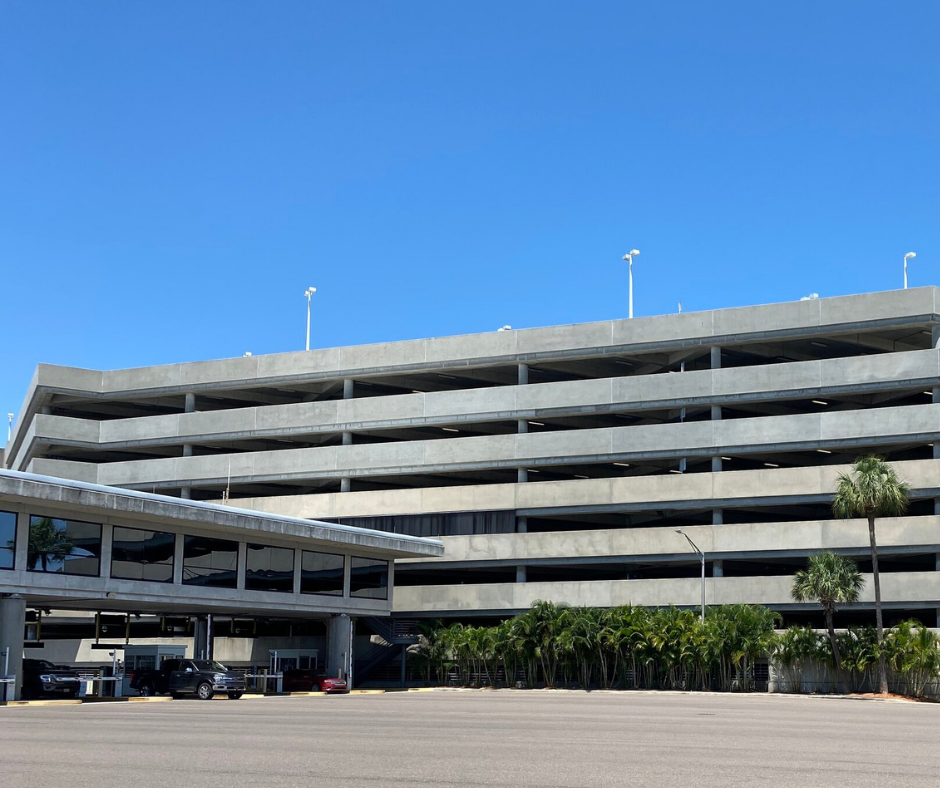
For most parking garages, a repair delay means an inconvenience. For garages serving hospitals, universities and mixed-use campuses, it means something bigger - an emergency closure that ripples into patient access, staff schedules and daily operations that can't simply pause.
That distinction changes how these facilities need to think about repair and restoration work. It's not just a question of when a repair happens. It's a question of how much disruption it causes while it does.
The Problem with Reactive Repairs in Occupied Environments
Emergency repairs, by definition, happen on someone else's timeline. A failing expansion joint or a section of deteriorating concrete doesn't wait for a slow week. When the work has to start immediately, it usually means closing lanes, blocking entrances or shutting down levels with little notice - right when the facility needs access the most.
For a retail parking lot, that might mean a frustrated shopper parking somewhere else. For a hospital, it can mean delayed patient drop-off, blocked ambulance routes or staff struggling to reach their shifts on time. For a university, it can mean students and faculty rerouted mid-semester with no warning. The repair itself might take days. The disruption it causes can affect an entire operation for just as long.
Why Planned Work Looks Different
Planned repair and restoration work starts from a different premise entirely: the facility's schedule comes first, and the construction plan is built around it, not the other way around.
That can mean:
Phased construction zones, so only one section closes at a time while the rest of the garage stays fully operational
Off-hour and weekend scheduling, so work happens when traffic and foot traffic are at their lowest
Direct coordination with facility management, so the people running day-to-day operations always know exactly what's happening, where and when
Dust, noise and containment protocols suited to environments where interruption isn't just inconvenient - it's unacceptable
None of this is possible when a repair becomes an emergency. It's only possible when the facility has already identified what needs attention, in what order and on what timeline - before it becomes urgent.
The Same Structure, Two Very Different Experiences
Two garages can have nearly identical repair needs and completely different experiences getting there. One garage waits until deterioration forces a shutdown, closing without warning and disrupting everyone who depends on it that day. The other addresses the same issue on a planned schedule, sequenced around its busiest hours and communicated well in advance to the people who need to know.
The repair is the same. The disruption is not.
Built for Facilities That Can't Pause
Restocon works with owners of hospitals, university campuses and other high-traffic occupied environments specifically because these facilities don't have the luxury of an unplanned closure. Every phase of work is planned around maintaining access - not around what's most convenient for the contractor.
Planning ahead doesn't just protect a budget. In environments where uninterrupted access matters as much as the repair itself, it protects the people who rely on that facility every single day. Planning repair work around an occupied facility? Contact us to talk through a schedule that protects your operations as much as your structure.