
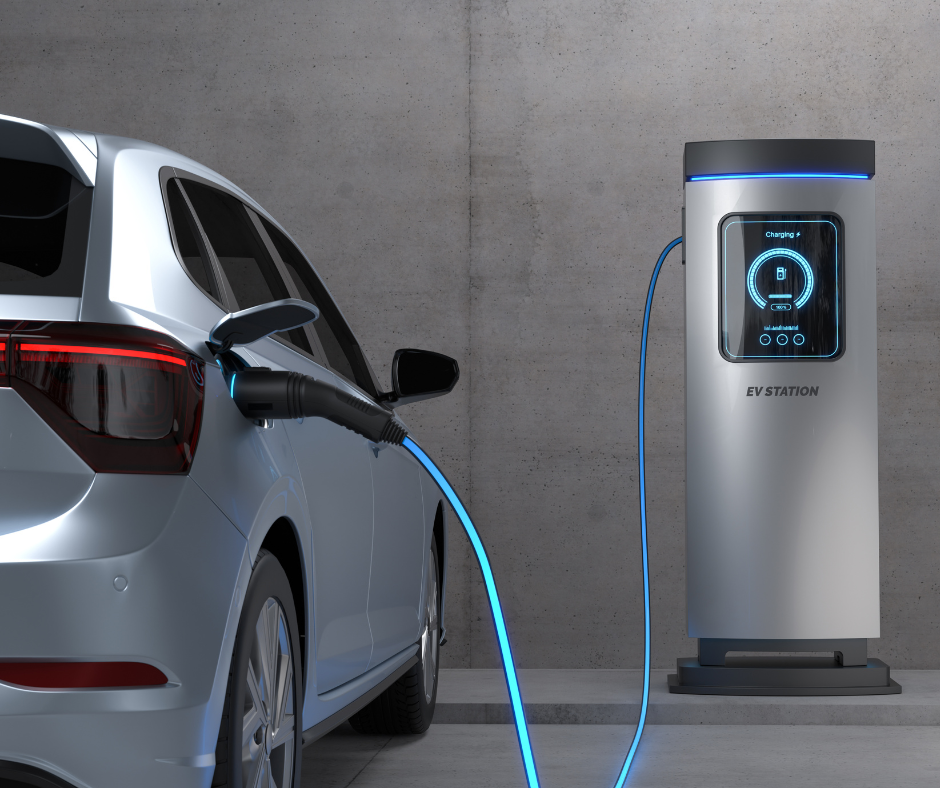
Electric vehicle charging in parking structures is changing how facility owners plan, maintain and reinforce their assets. While adding charging stations may seem like a simple modernization effort, these upgrades can introduce new stresses that go far beyond electrical demand.
Heavier vehicles increase structural load
EVs weigh significantly more than traditional vehicles due to battery packs. A single electric SUV can add hundreds of pounds per space – and when multiplied across levels, the added load can challenge older structures not originally designed for these forces. Before installation, it’s critical to review load ratings, reinforcement requirements and any existing deterioration that could amplify the risk of overstressing slabs or beams.
Charging infrastructure affects concrete integrity
Installing charging systems adds conduits, transformers and electrical panels often routed through existing concrete or ceiling spaces. These modifications must be planned carefully to avoid compromising protective coatings or reinforcing steel. In enclosed garages, additional heat and electrical components can also influence ventilation and air quality requirements.
Plan for long-term maintenance with EV systems
Adding EV charging to parking structures changes future maintenance needs. Deck coatings, sealants and expansion joints near electrical units may require specialized materials or inspection schedules. Integrating these considerations early ensures both systems – electrical and structural – remain reliable and safe.
Electric vehicle charging in parking structures represents progress, but also responsibility. By partnering with engineers and repair specialists who understand both sides of the equation, property owners can modernize safely while extending the life of their facilities.
Contact us today to discuss inspection and repair strategies that keep your structures safe, strong and future-ready.