
The Role of Technology in Enhancing Structural Assessments and Repairs
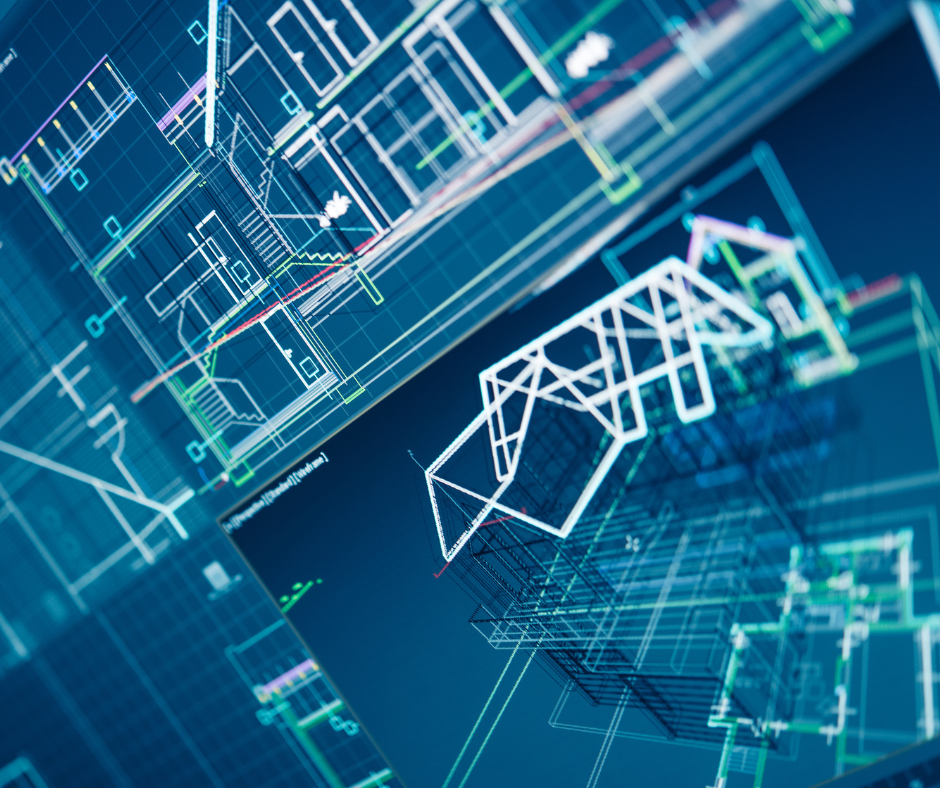
In an industry where accuracy, efficiency and safety are non-negotiable, technology is reshaping how structural restoration gets done. At Restocon, we’ve seen firsthand how modern tools and digital advancements elevate both the precision and the impact of our work - allowing us to identify problems earlier, communicate more clearly and deliver long-lasting repairs with greater confidence.
From drones to digital modeling, the future of structural restoration is already here - and it’s making projects smarter at every stage.
Outdated Methods Leave Too Much to Guesswork
Traditional structural assessments often relied on visual inspections, core samples and manual measurement - methods that, while useful, are limited in scope and subject to human error. Issues hidden beneath surfaces or within structural components were difficult to detect until damage became visibly apparent.
Without modern tools, property owners faced higher risks of costly surprises, and contractors worked with incomplete information. Today, technology helps fill those gaps with data-driven insight.
Smarter Assessments Start at the Surface
Modern structural assessments combine visual inspections with digital tools that enhance accuracy and reduce uncertainty. For example:
Drones: Allow safe, high-resolution inspection of rooftops, façades and hard-to-reach structural elements without scaffolding or lifts.
3D Scanning & Modeling: Create detailed models of structural components to detect deviations, wear or deformation - particularly useful for garages, decks and complex concrete systems.
Infrared & GPR (Ground Penetrating Radar): Reveal subsurface conditions like voids, water intrusion or rebar corrosion without the need for destructive testing.
These tools give Restocon’s team a complete picture of a structure’s health - early enough to intervene before the damage spreads.
Technology Transforms the Repair Process
Assessment is just the beginning. Once repairs are underway, technology continues to drive efficiency and quality.
Digital Project Management Tools help keep all stakeholders informed with real-time updates, progress photos and scheduling transparency.
Precision Application Tools ensure coatings, waterproof membranes and repair materials are applied evenly and to spec.
Non-Destructive Testing (NDT) post-repair allows verification of work without compromising finished surfaces, giving clients assurance of lasting results.
Together, these tools lead to faster turnarounds, fewer disruptions and longer-lasting outcomes.
Why It Matters for Property Owners
For commercial facility managers, parking structure owners and building supervisors, the integration of technology offers clear benefits:
Reduced Downtime: With better assessments and planning, projects move faster and with fewer surprises.
Lower Lifecycle Costs: Early detection of issues means smaller repairs now instead of full replacements later.
Improved Documentation: Digital scans and progress reports provide clear records for future audits, warranty claims or resale.
Ultimately, these technologies help you make better decisions and protect your investment over the long term.
Restocon’s Technology-First Approach
At Restocon, we don’t use tech for the sake of trend - we use it to deliver better results. By combining decades of hands-on experience with the best diagnostic and project tools available, we ensure every restoration project is informed, accurate and built to last.
We’re proud to offer our clients smart solutions that protect their structures and their bottom line.
Want to learn more about how technology can improve your next project?
Contact us for a consultation.