

The Impact of Climate Change on Concrete Structures: Preparing for a New Normal
As climate change drives more extreme weather and fluctuating temperatures, concrete structures face new risks that threaten their durability and safety. At Restocon, we help property owners and engineers prepare by combining thorough condition assessments with advanced restoration and protective coatings. Proactive maintenance and climate-conscious strategies are essential to future-proof concrete against thermal stress, moisture intrusion and chemical exposure.

Everything You Need to Know About Commercial Concrete Floor Repair and Coating Systems for Parking Garages
Maintaining commercial parking garage floors is essential for safety, durability and long-term functionality. Heavy traffic, weather exposure, and chemical spills can cause damage over time. This blog explores the importance of concrete floor repair and coating systems, the issues they address - like cracks, pitting and water penetration - and the benefits of popular solutions like epoxy and polyurethane coatings. Discover how investing in these systems can protect your parking garage floors and reduce maintenance costs.
Making Informed Choices: Concrete Repair vs. Replacement in Parking Garage Maintenance
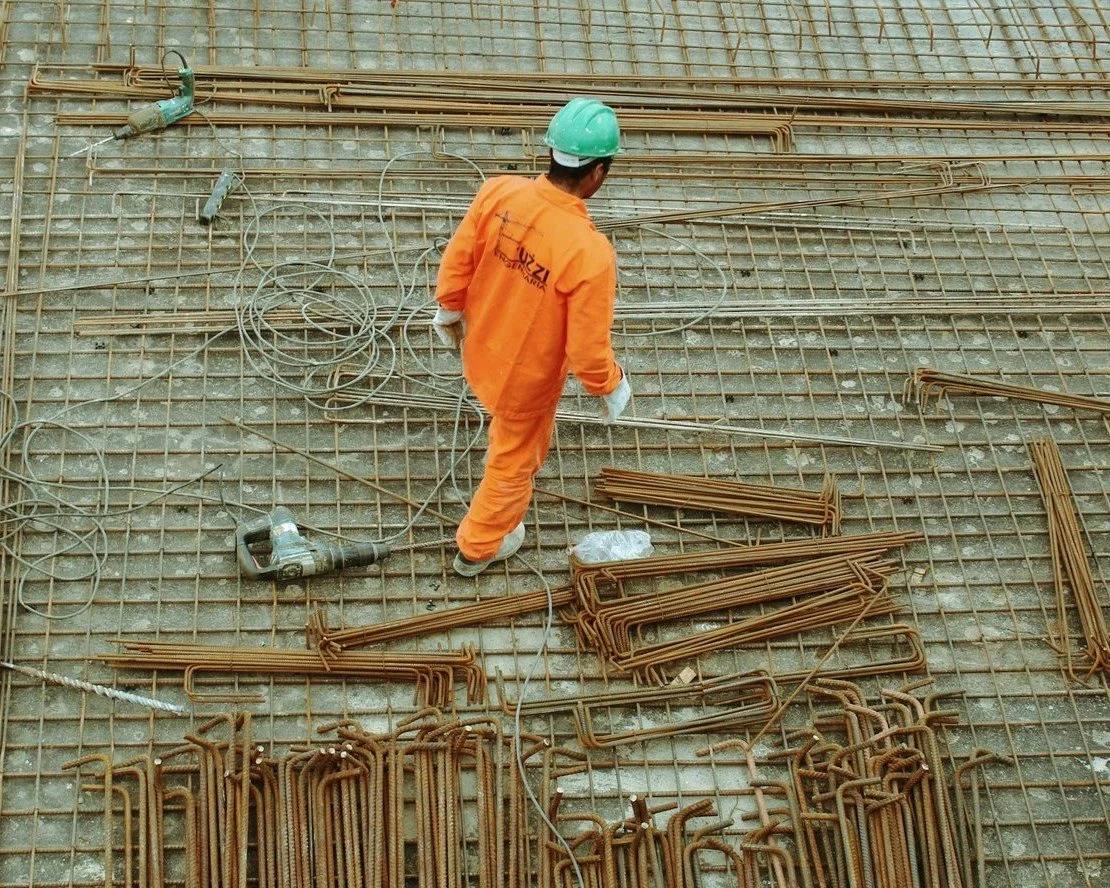
The first step in determining whether to repair or replace concrete surfaces is to assess the extent of damage. Minor issues such as hairline cracks, surface spalling, or minor surface defects can often be addressed through repair techniques such as crack filling, patching, or resurfacing.
Evolution of Concrete Repair and Waterproofing: Embracing Innovation
Decades ago, repairing concrete structures and addressing waterproofing issues primarily involved manual labor and basic materials. Workers utilized rudimentary tools such as hammers, chisels, and trowels to remove damaged concrete sections, followed by patching with cementitious compounds. While effective to some extent, this approach often resulted in temporary fixes rather than long-term solutions. Moreover, waterproofing relied heavily on sealants and membranes, which had limited durability and effectiveness.